Place: Helsinki, Finland
Team: MASU Planning (Main advisor / Landscape architect), Finnmap Infra (structures), Luontotieto Keiron (biologist)
Client: City of Helsinki
Size: 15 ha
Timeline: Phases 1-2 inaugurated May 2025, Phase 3 inaugurated March 2026
Kruunuvuori
Creating access to nature within a sensitive coastal landscape while supporting urban life and ecological preservation.
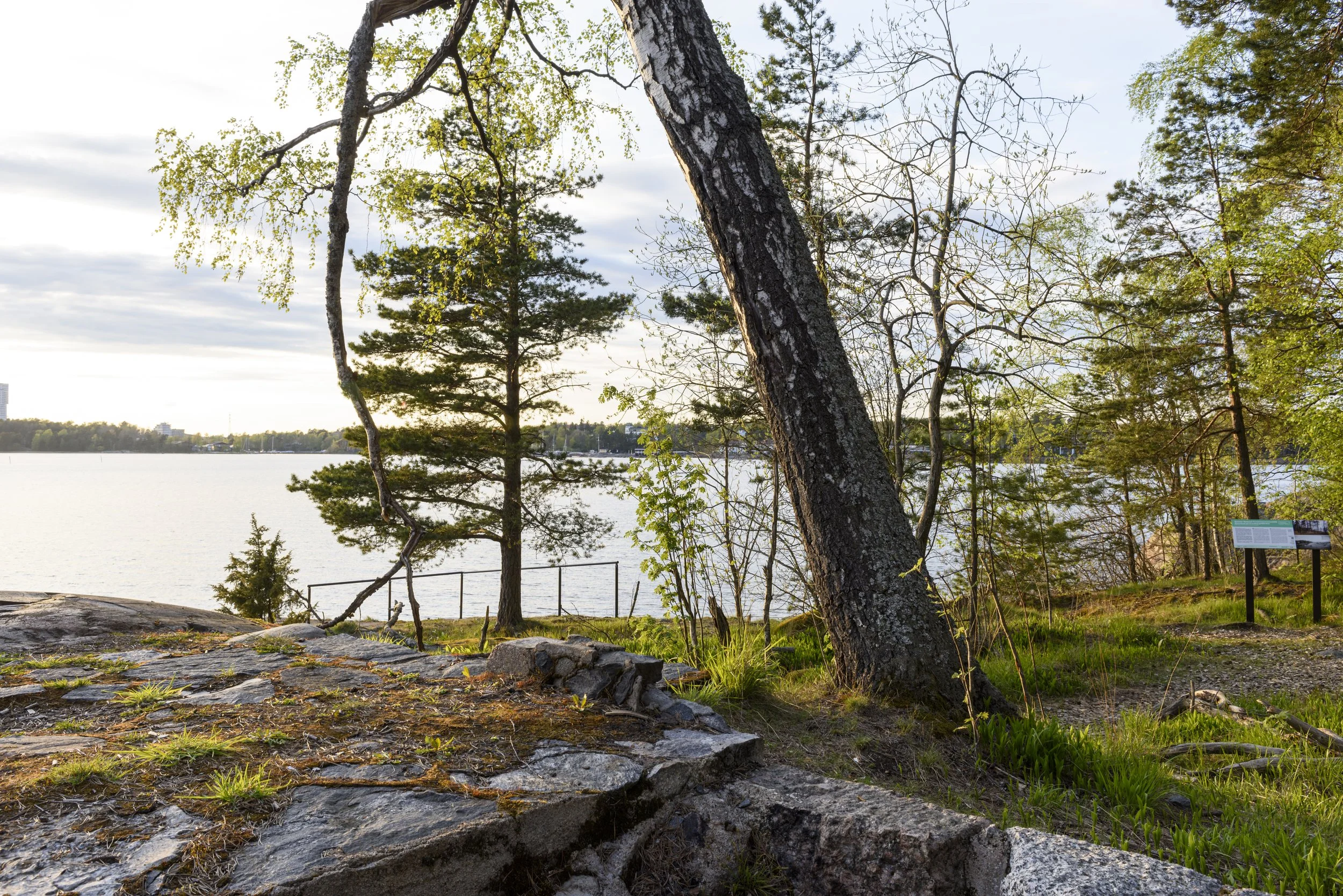
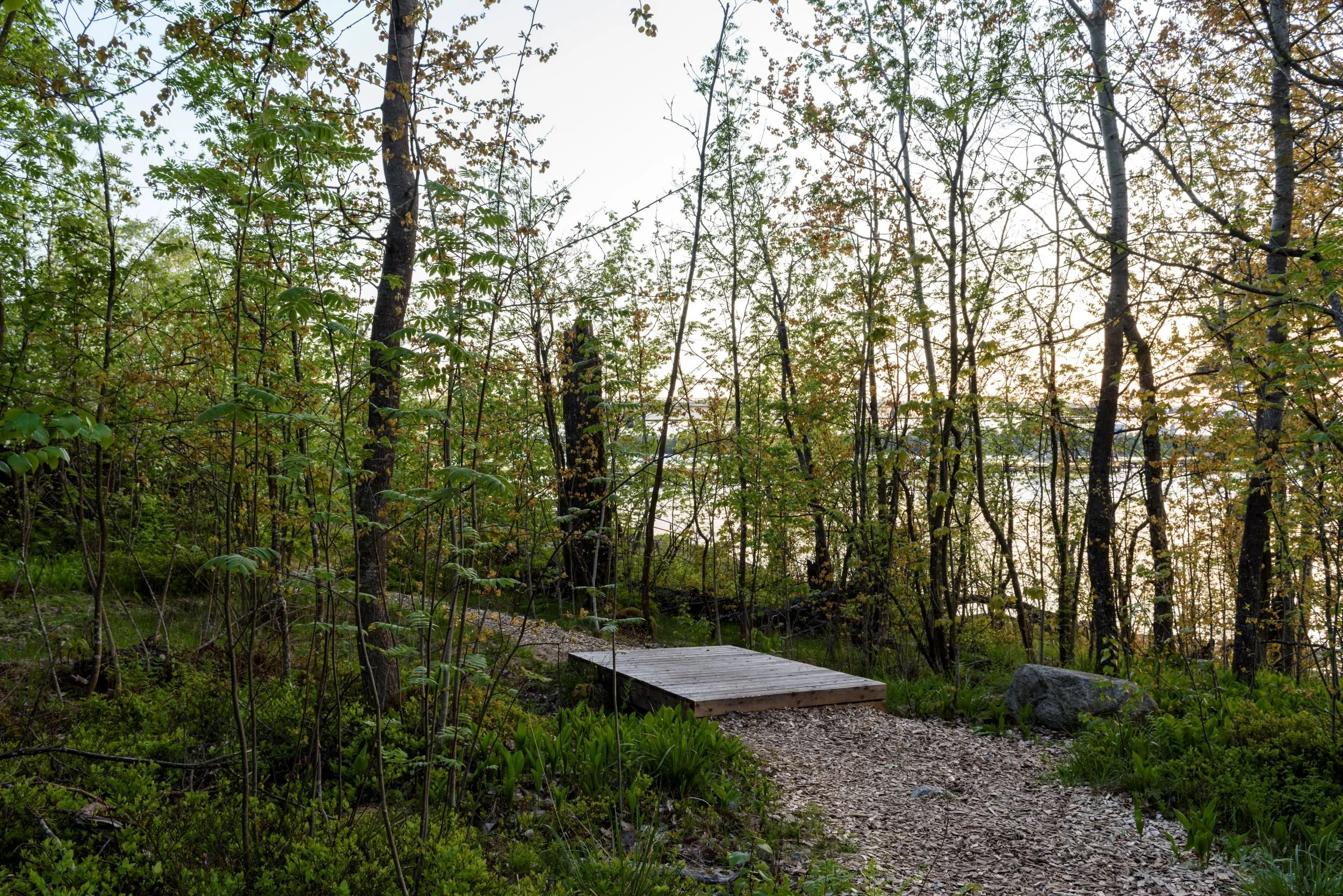
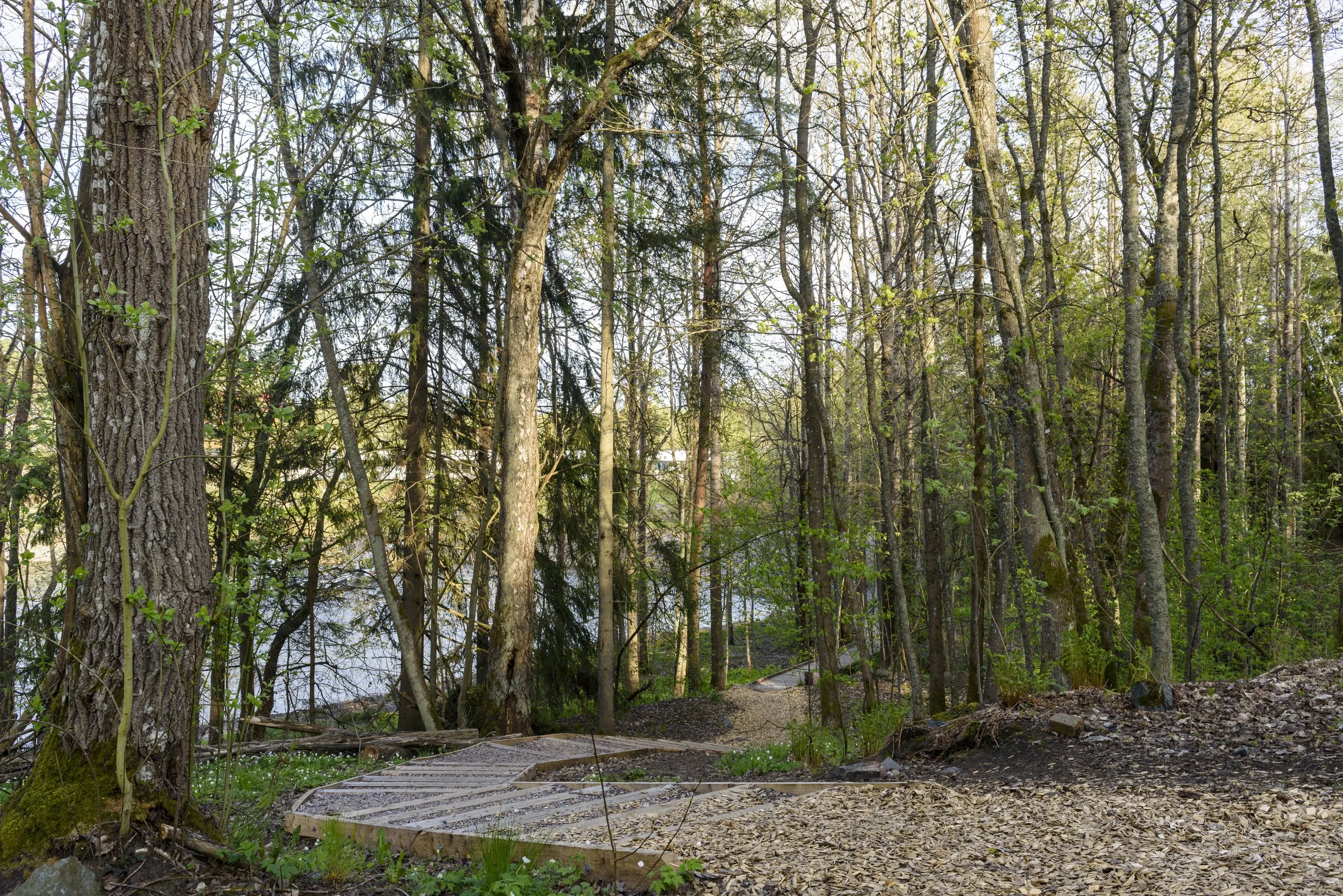
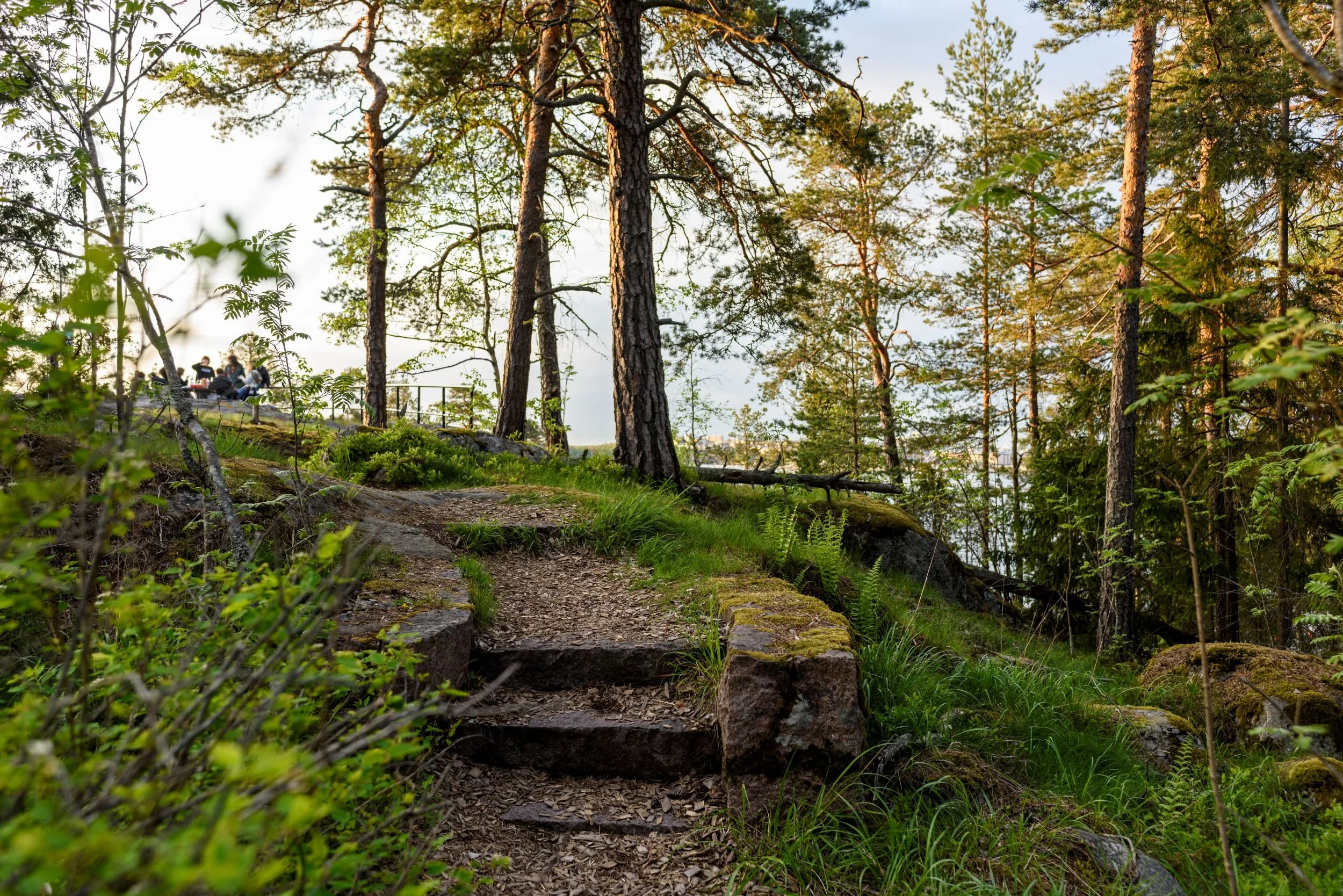
Kruunuvuori is a natural area in southeastern Helsinki, where different landscapes, natural values, and cultural history create a unique environment. To enhance access, various routes highlighting diverse, valuable habitats and landscape qualities have been created.
A protected lake, endangered habitat types, bats, frogs, and fungi species, as well as valuable geomorphological and cultural-historical layers are just some of the things that had to be addressed.
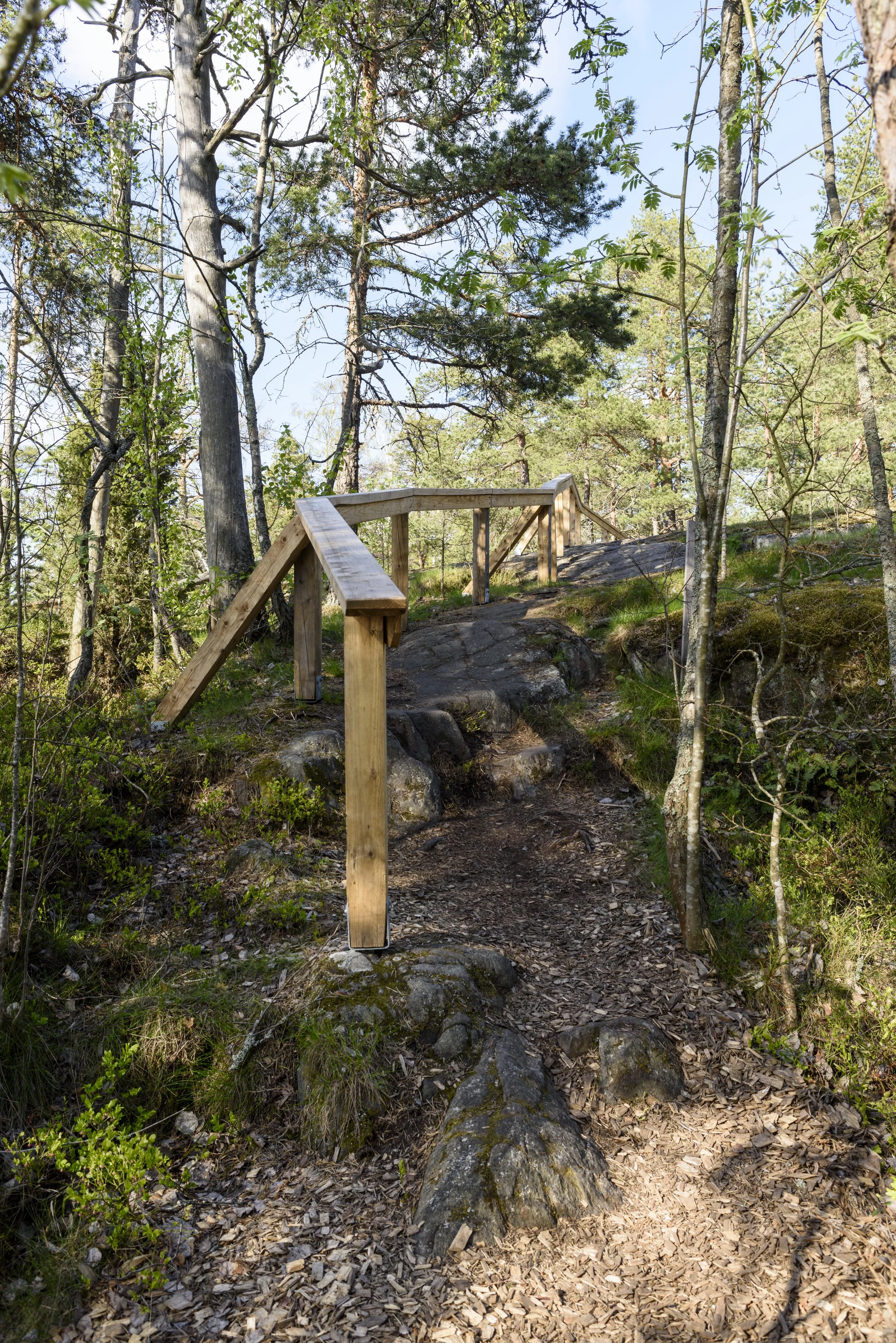
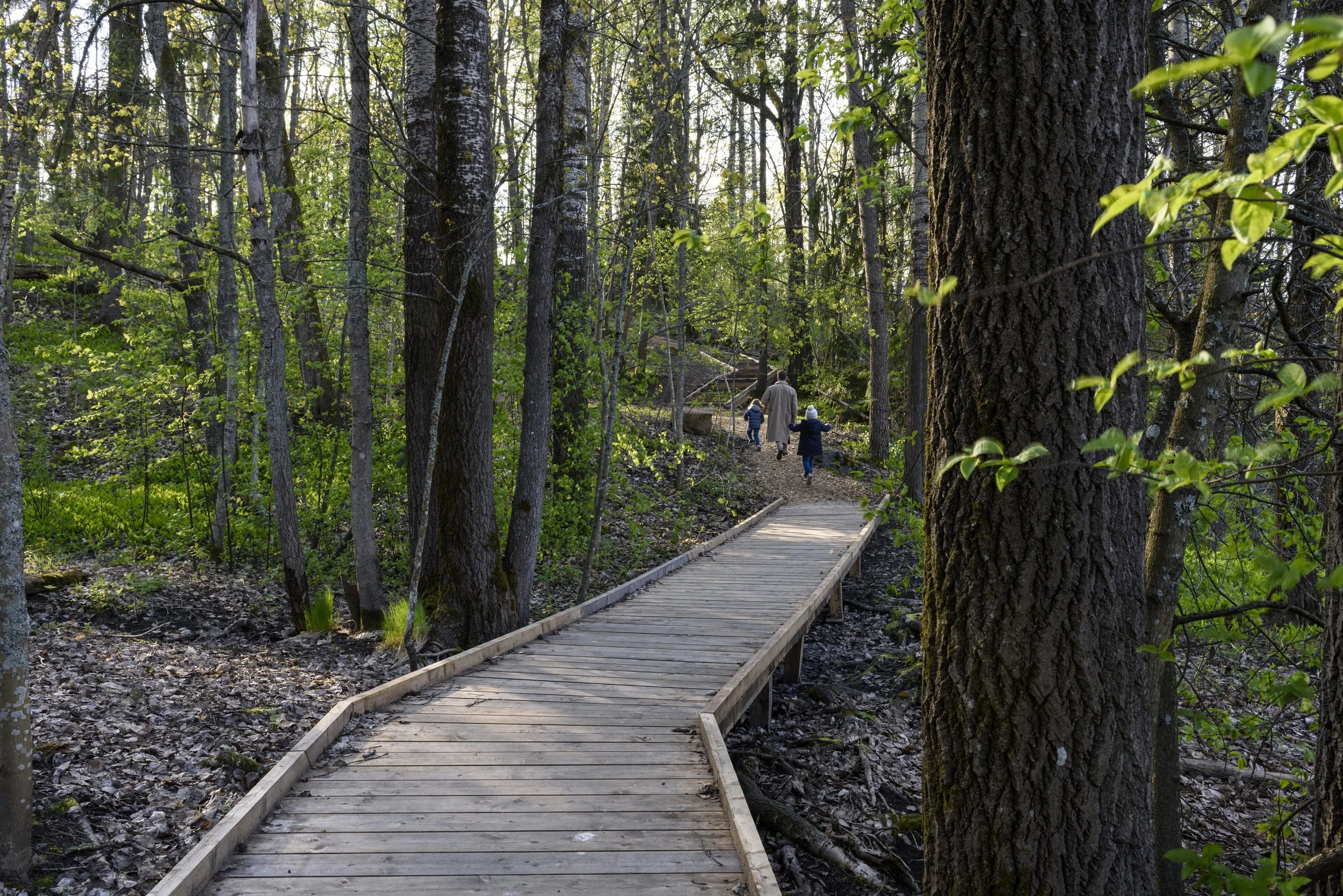
South of Kruunuvuori, a major new district for 13,500 residents is currently being developed, with a direct bridge connection to central Helsinki. Managing movement through the area has been a key part of the commission, both to open the site for recreational use and to protect the landscape’s natural values and maritime character.
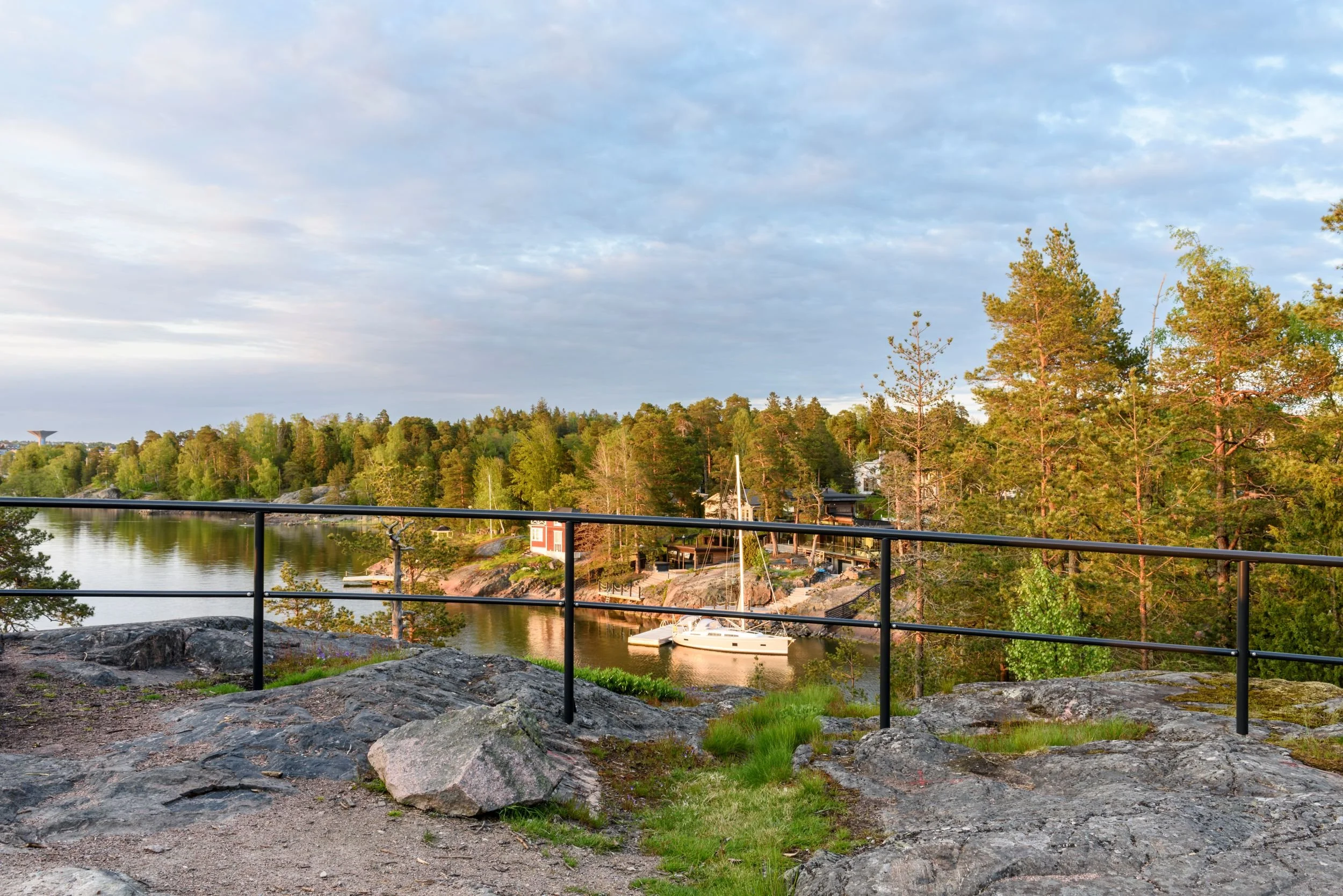
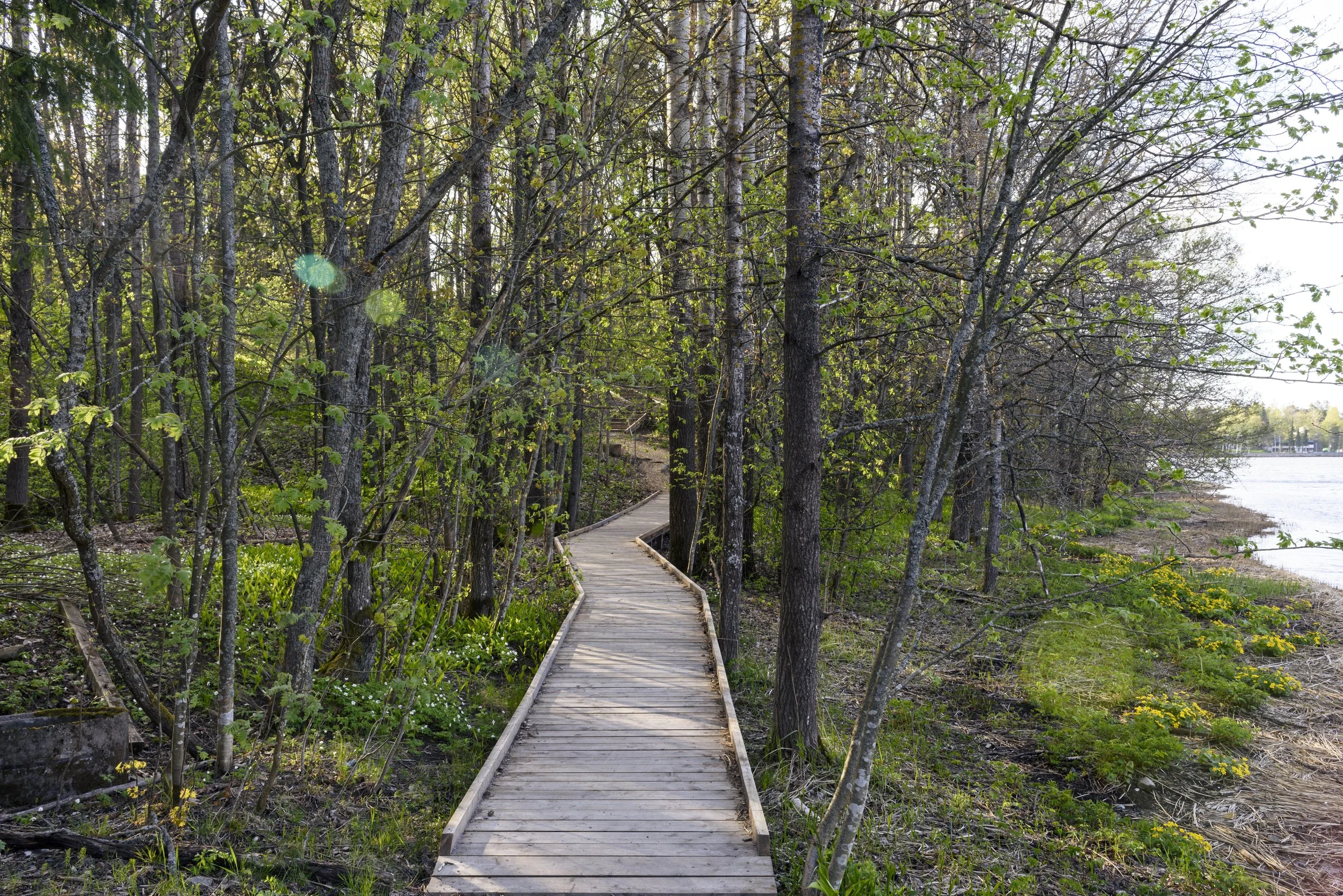
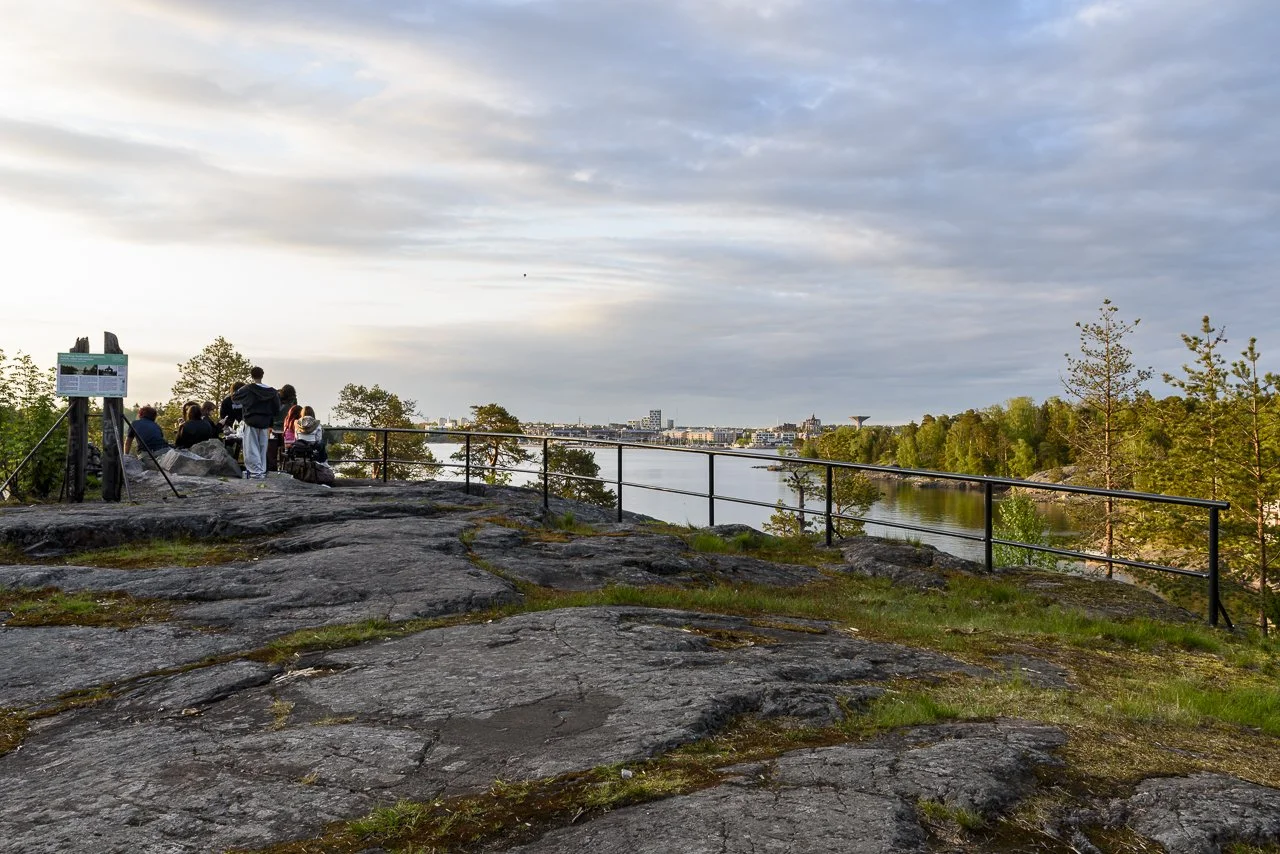
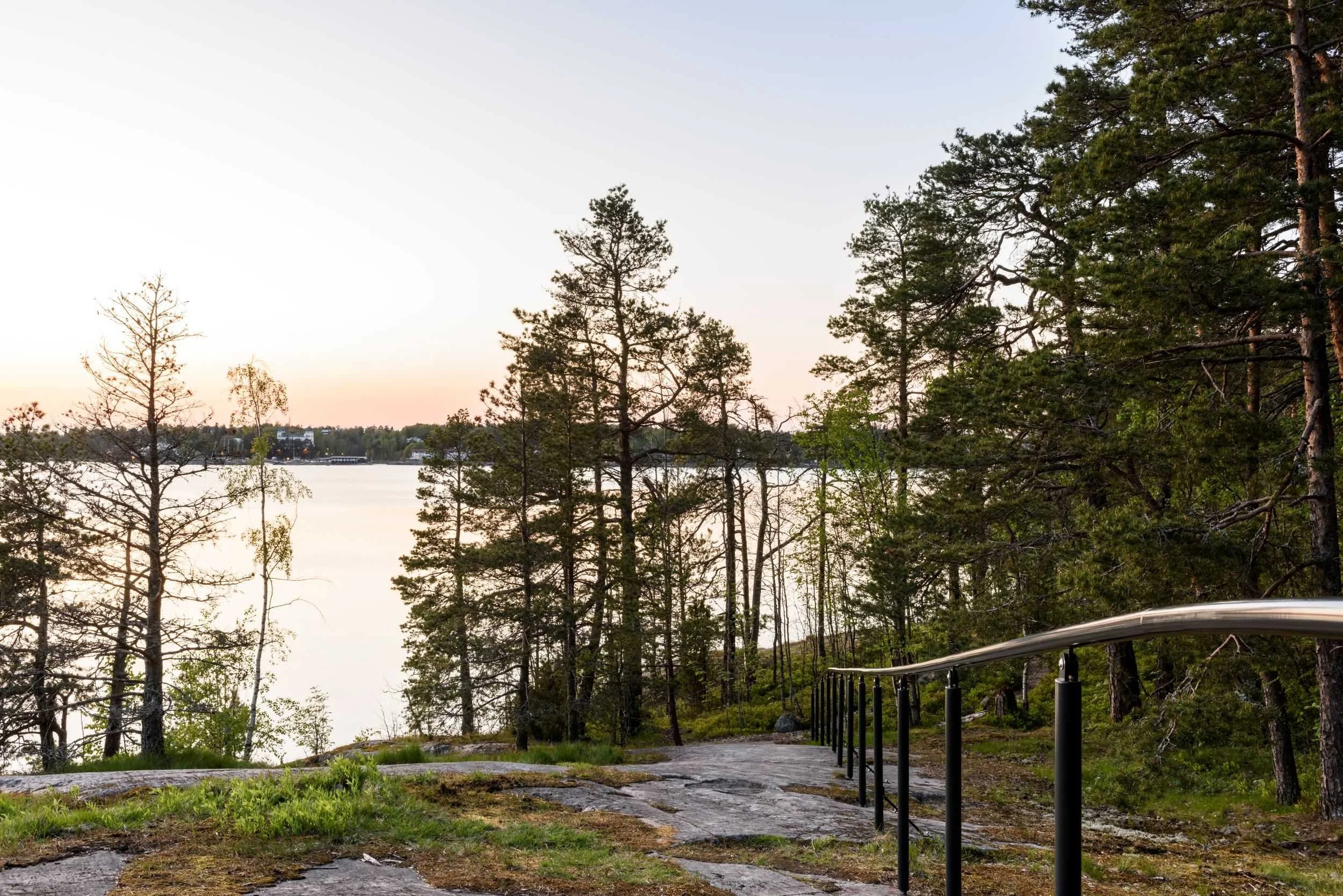
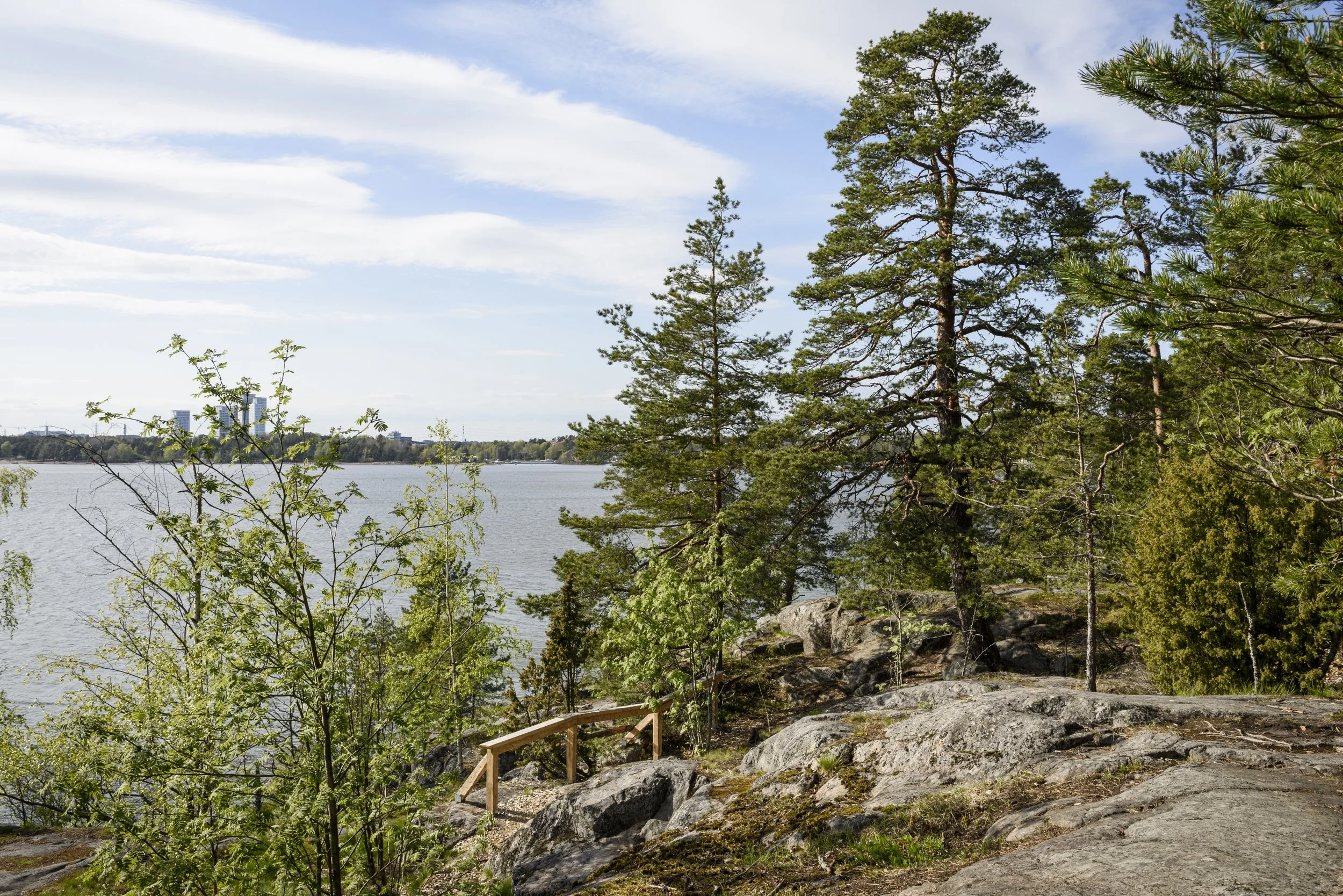
The starting point was a coherent trail network coordinated with plans for the nature protection areas and the wider recreational route system. In several places the proposed paths connect with existing routes. Communicating the area’s history and natural assets, and establishing carefully positioned viewpoints and resting areas, are an important part of the commission.
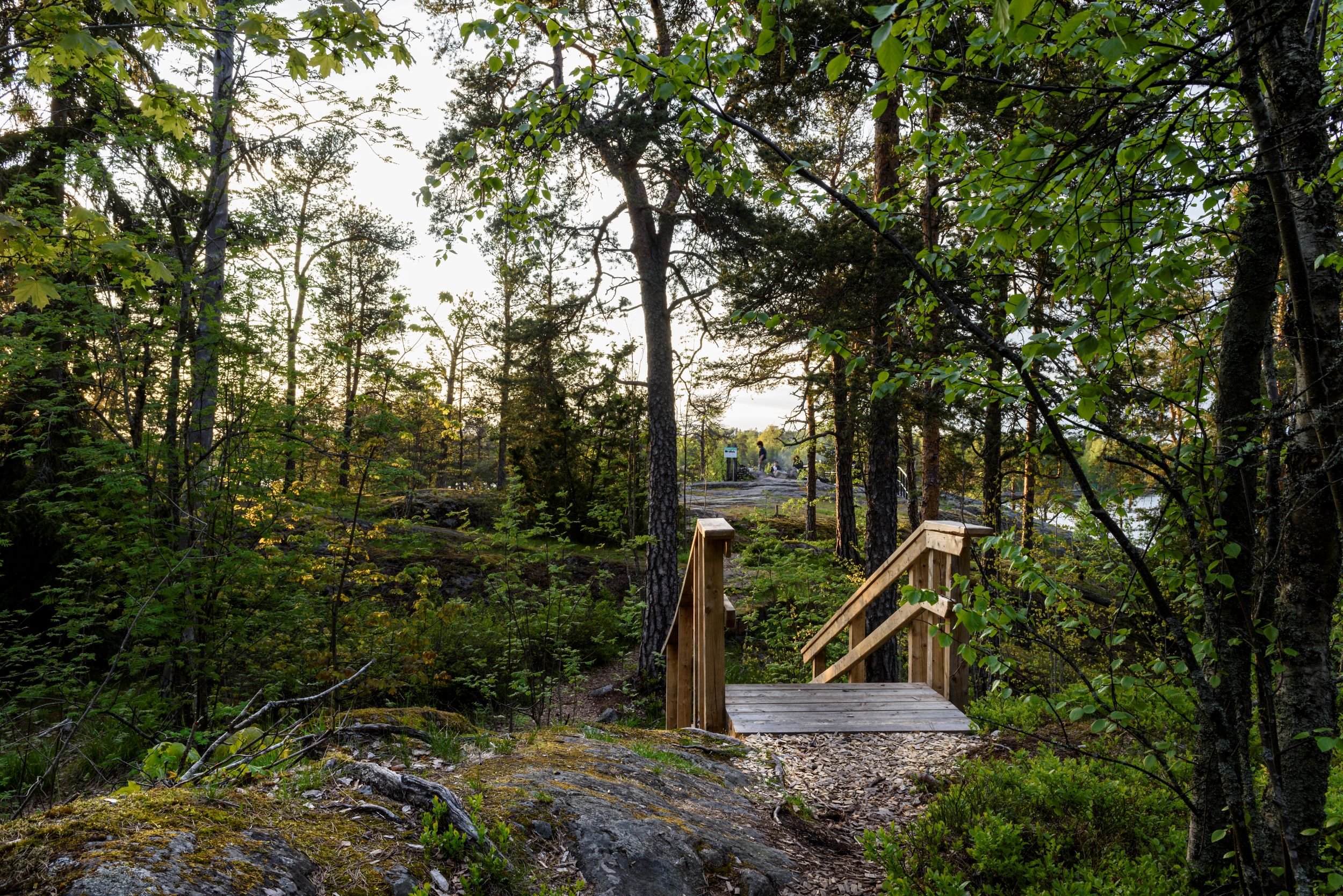
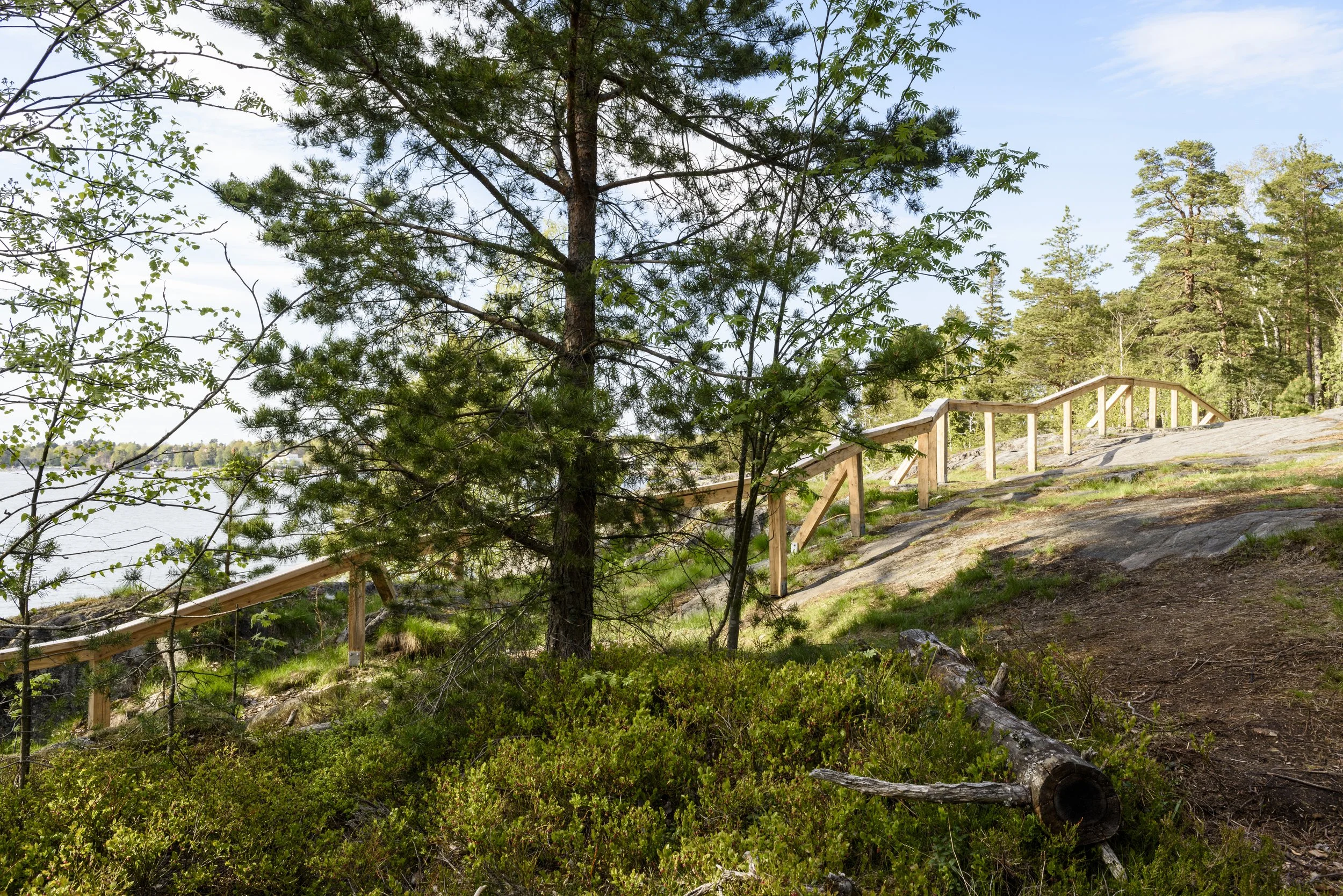
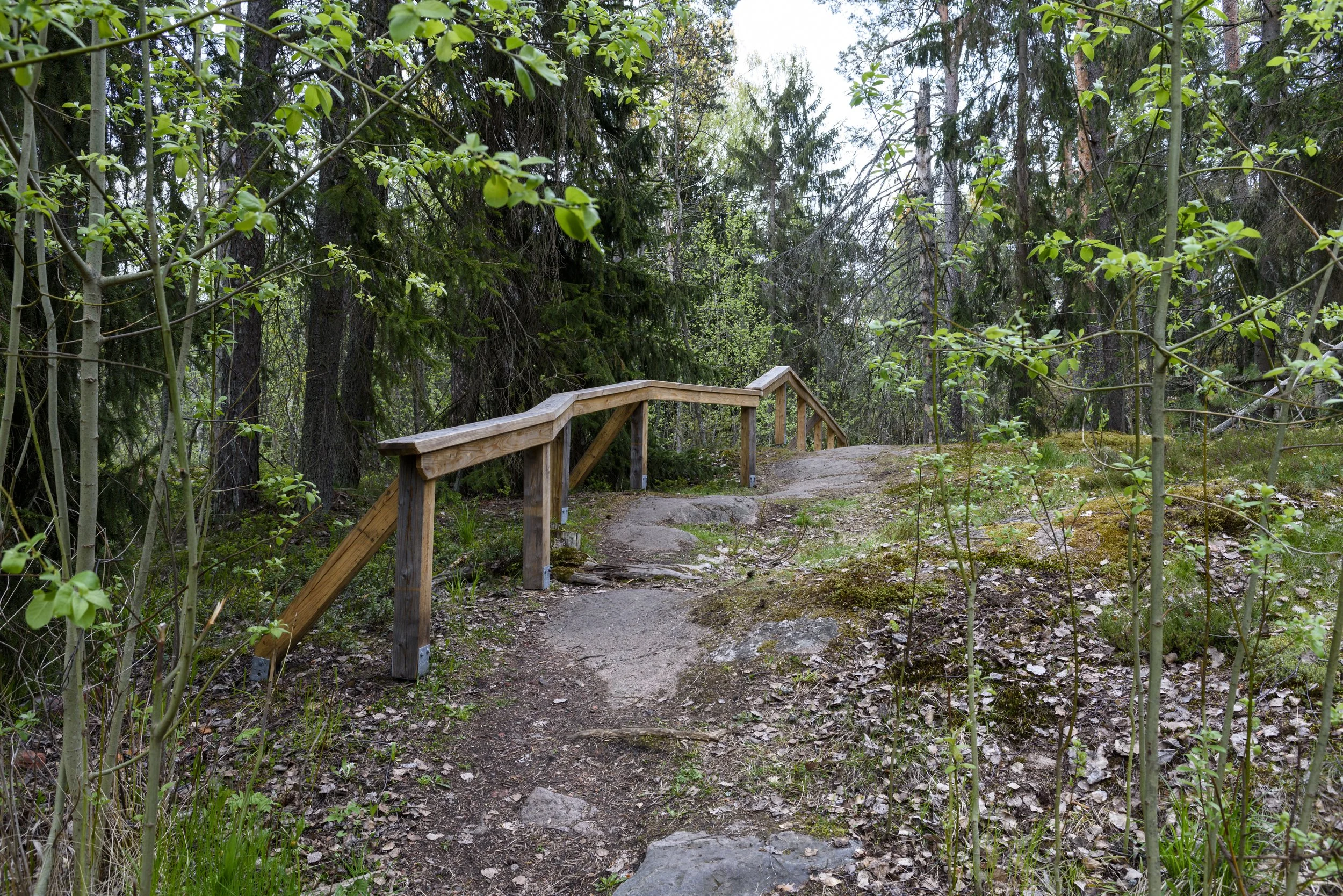
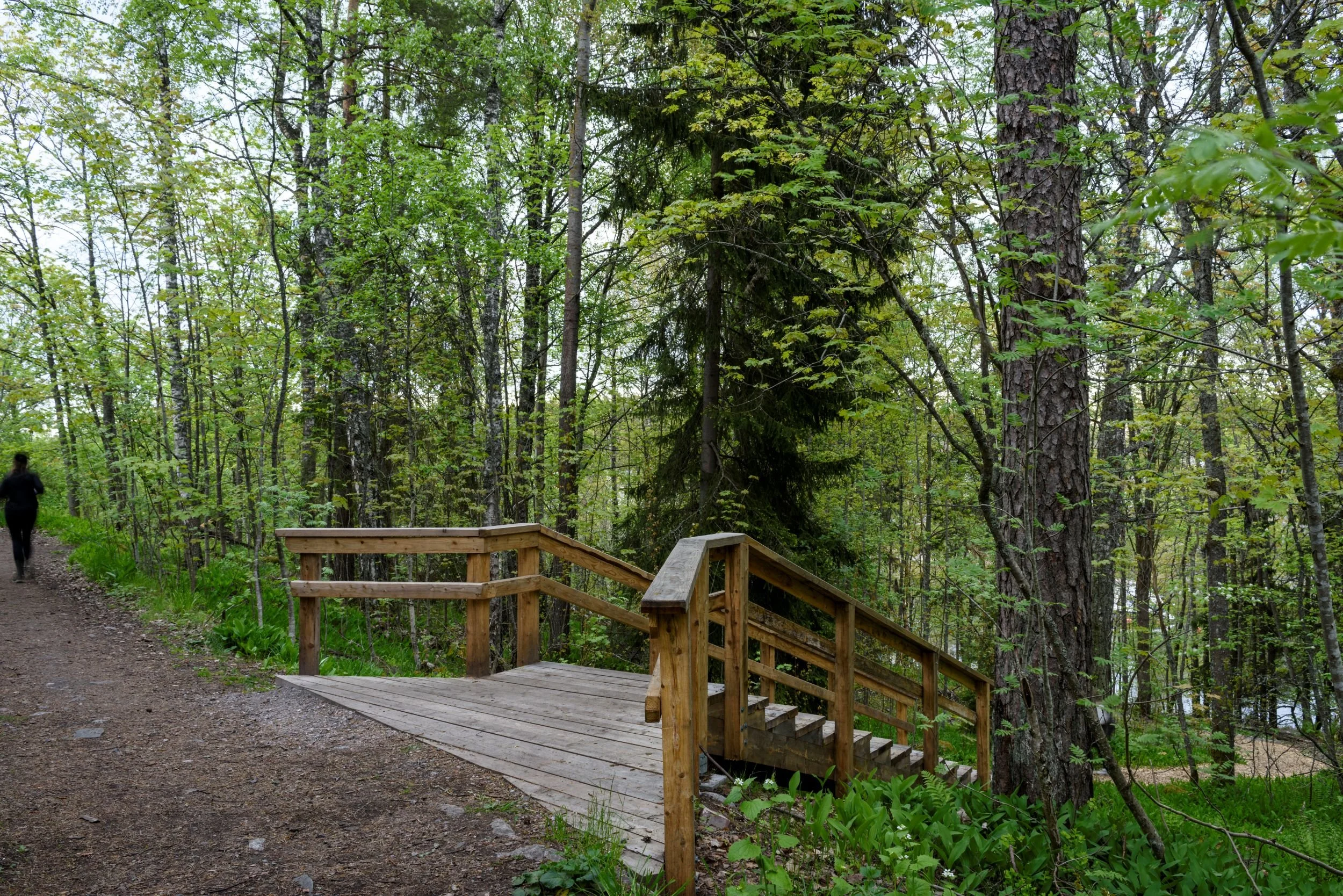
Planning and execution were based on extensive topographical and tree surveys, as well as interdisciplinary collaboration between landscape architects, structural engineers, and biologists. Railings, trail elements, and timber and steel structures are precisely adapted to local conditions.
In the rocky area, resting areas, guardrails, paths, and metal staircases have been planned, together with a suspended steel walkway along the cliff slope, which will eventually form part of Helsinki’s coastal route connections (expected completion in 2030). In addition, management plans related to nature conservation and forest development have been integrated, and the site’s ecological conditions have been mapped. The commission also included adapting the project to a fixed budget framework and conducting an extensive public participation process that resulted in more than 100 responses.
All new interventions have been kept to a minimum and adapted to the terrain, while wear and erosion are prevented through trails, boardwalks, stairs, railings, and signage, and in the growing media recycled materials are used.