We design timeless landscapes shaped by Nordic sensibilities, community needs, and the challenges of a changing climate.
Landscape transformation
We transform complex sites by integrating landscape, climate adaptation, and spatial programming. Our approach strengthens ecological systems, improves usability, and positions spaces for a changing urban context.
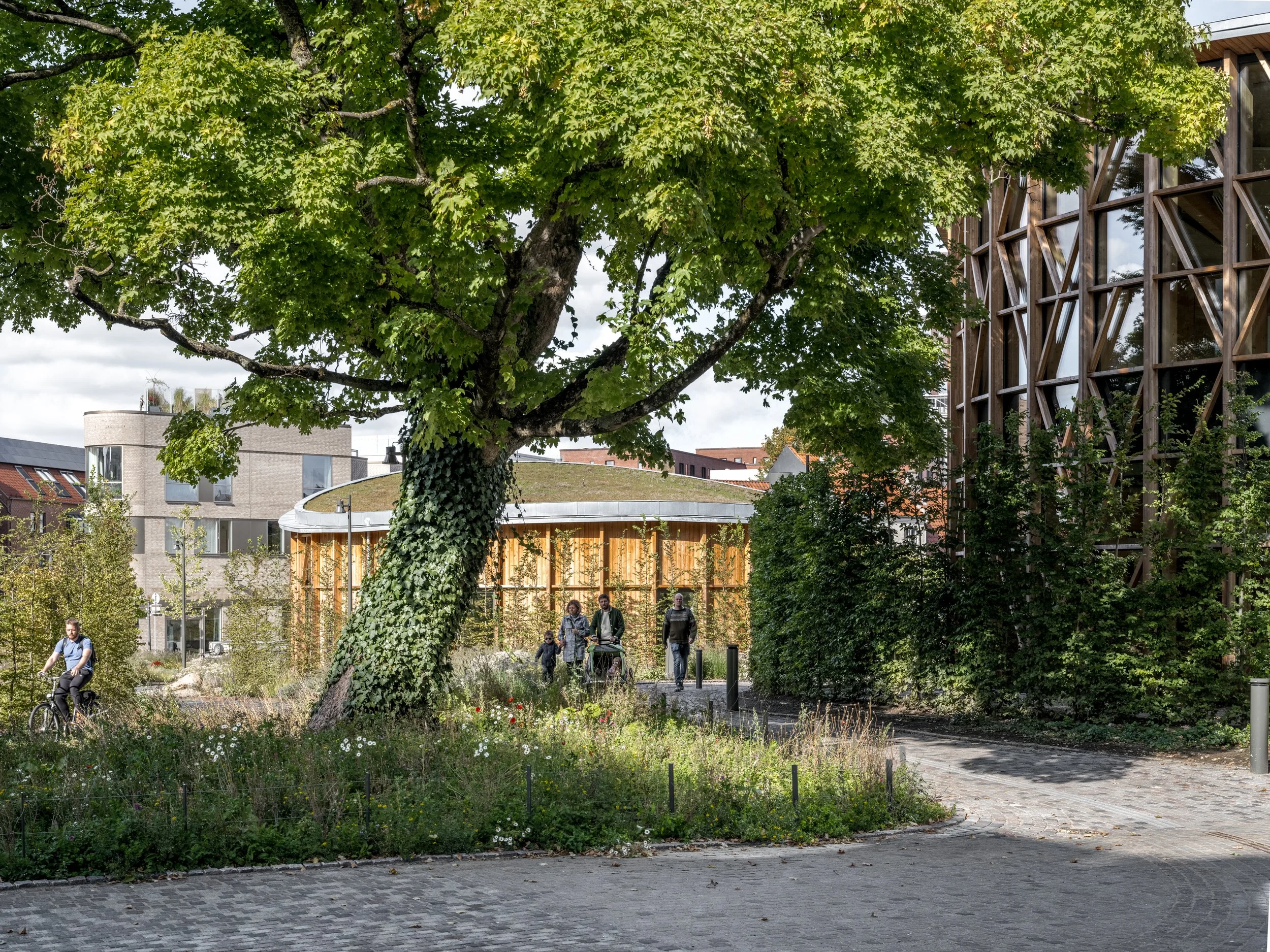
The transformation of H.C. Andersen’s Museum demonstrates how a landscape‑driven approach can unlock the potential of a complex site.
The project establishes a coherent and generous framework that strengthens the connection between the museum & the city of Odense, Denmark’s third largest city.
The landscape is the guiding structure — clarifying flows, shaping atmosphere, and supporting both everyday use and cultural narrative.
This ability to embrace complexity through a clear and resilient landscape vision earned the project the prestigious Danish Landscape Award.
Public Parks
We design parks that merge ecological sensitivity with recreation, play, and green structures that strengthen biodiversity and well‑being.
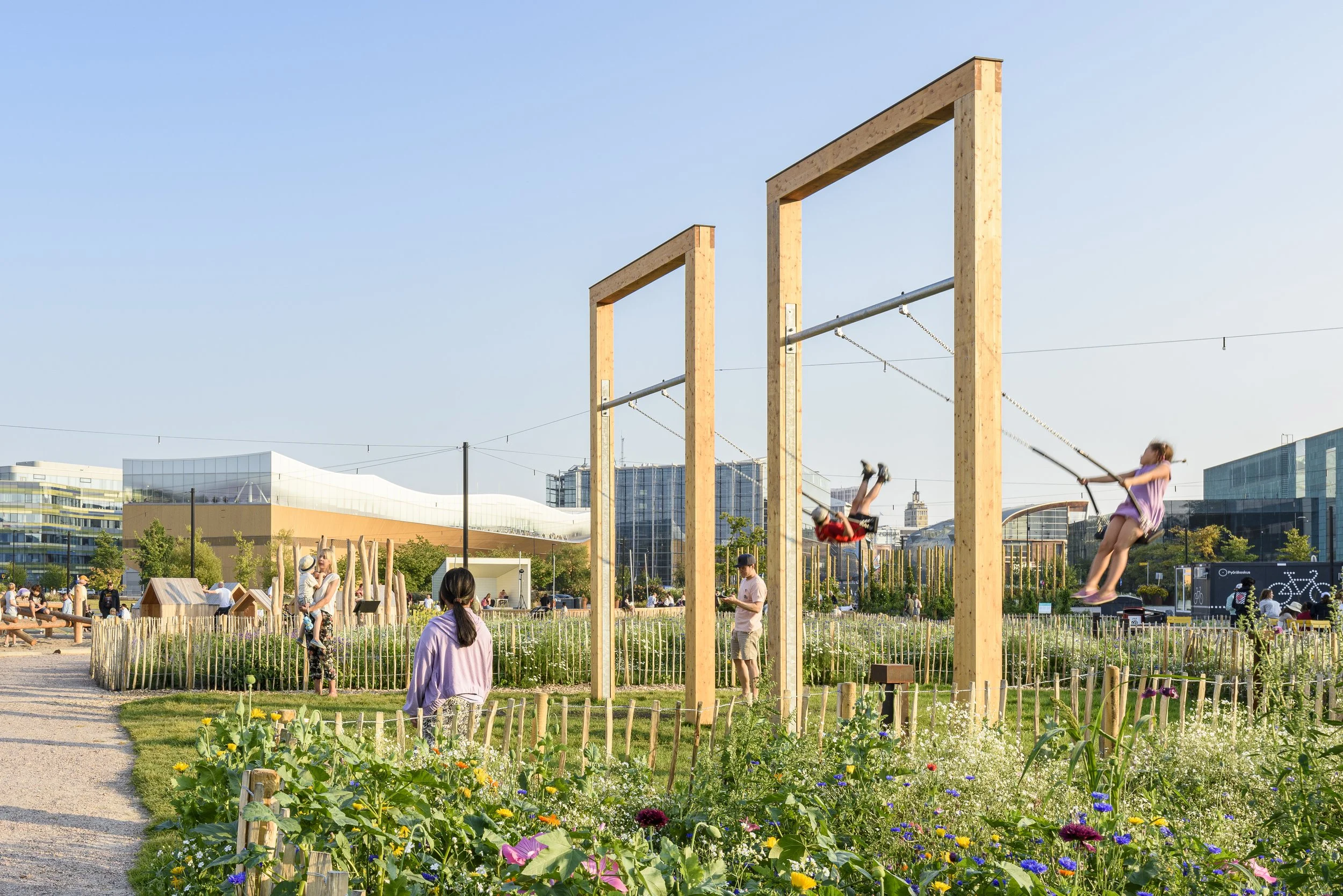
The transformation of Töölönlahdenpuisto illustrates how a convincing landscape concept can reorganise a central park into a richer and more resilient public environment.
By interpreting and responding to extensive public input and 1:1 test installations, the landscape becomes the driver for long‑term renewal — strengthening identity, usability, and ecological performance while preparing the park for future growth and adaptation.
What was a daring temporary landscape is on the way to become a permanent green oasis in the most central part of Helsinki!
Public Squares
We shape multifunctional squares that support daily life, social encounters, and extraordinary events — places that become destinations and communities gather.
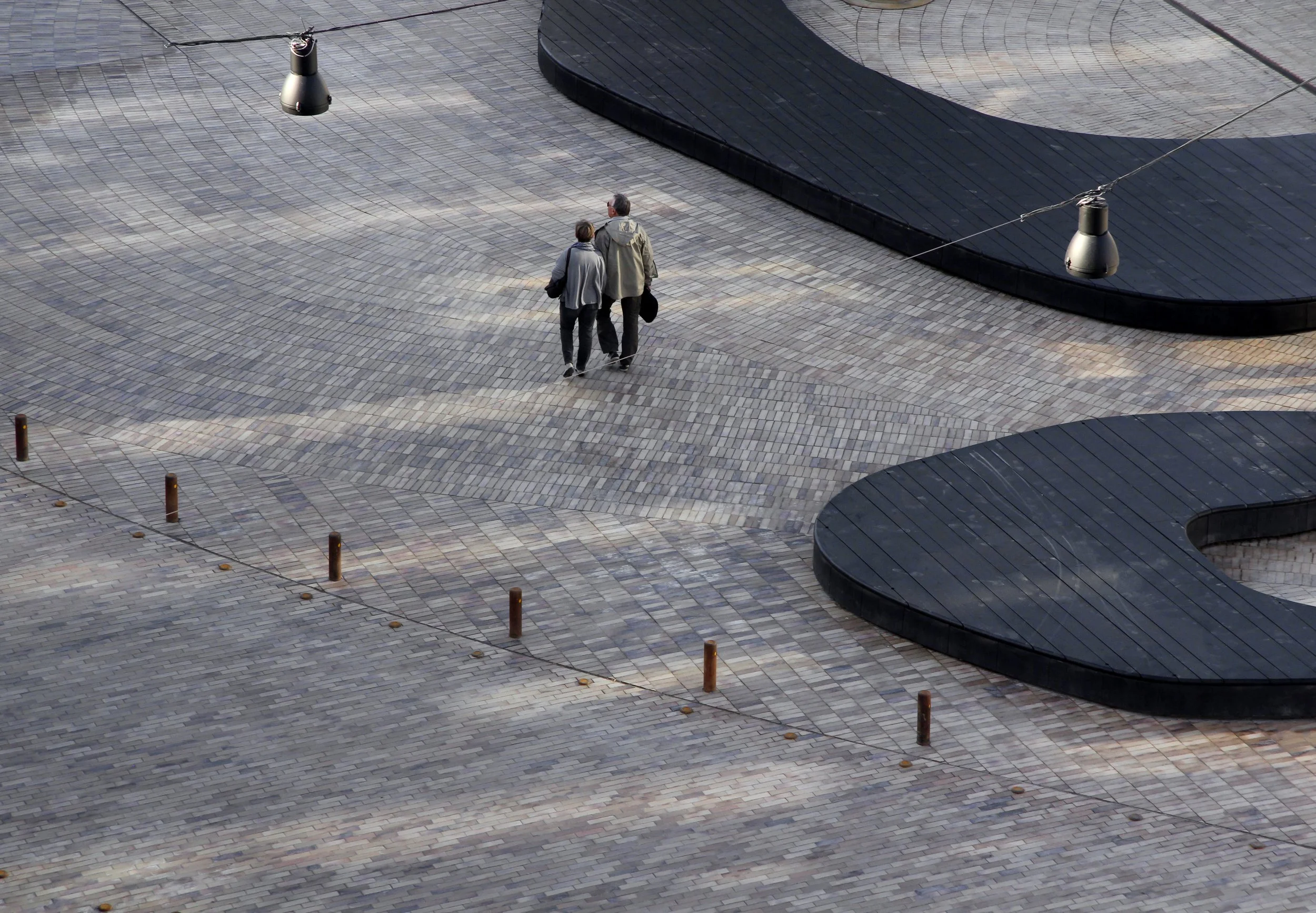
Grønnegade Square demonstrates how a spatial concept can turn a space into a social, and identity‑forming public square.
By reinterpreting Odense’s brick paving as a dynamic, wave‑like surface, the result is a unifying ‘urban carpet’ that ties the institutions adjacent to Brandts Museum together and strengthens the square as a civic meeting point.
Sculptural seating, integrated lighting, and flexible surfaces support a wide range of activities while maintaining a strong material coherence rooted in local traditions.
Our approach shows how design and strategic use of materials can elevate a public square into a vibrant and welcoming space.
Urban planning
We work with landscape‑driven strategies and careful interpretation of the context to transform existing neighborhoods into vibrant and inclusive urban environments.
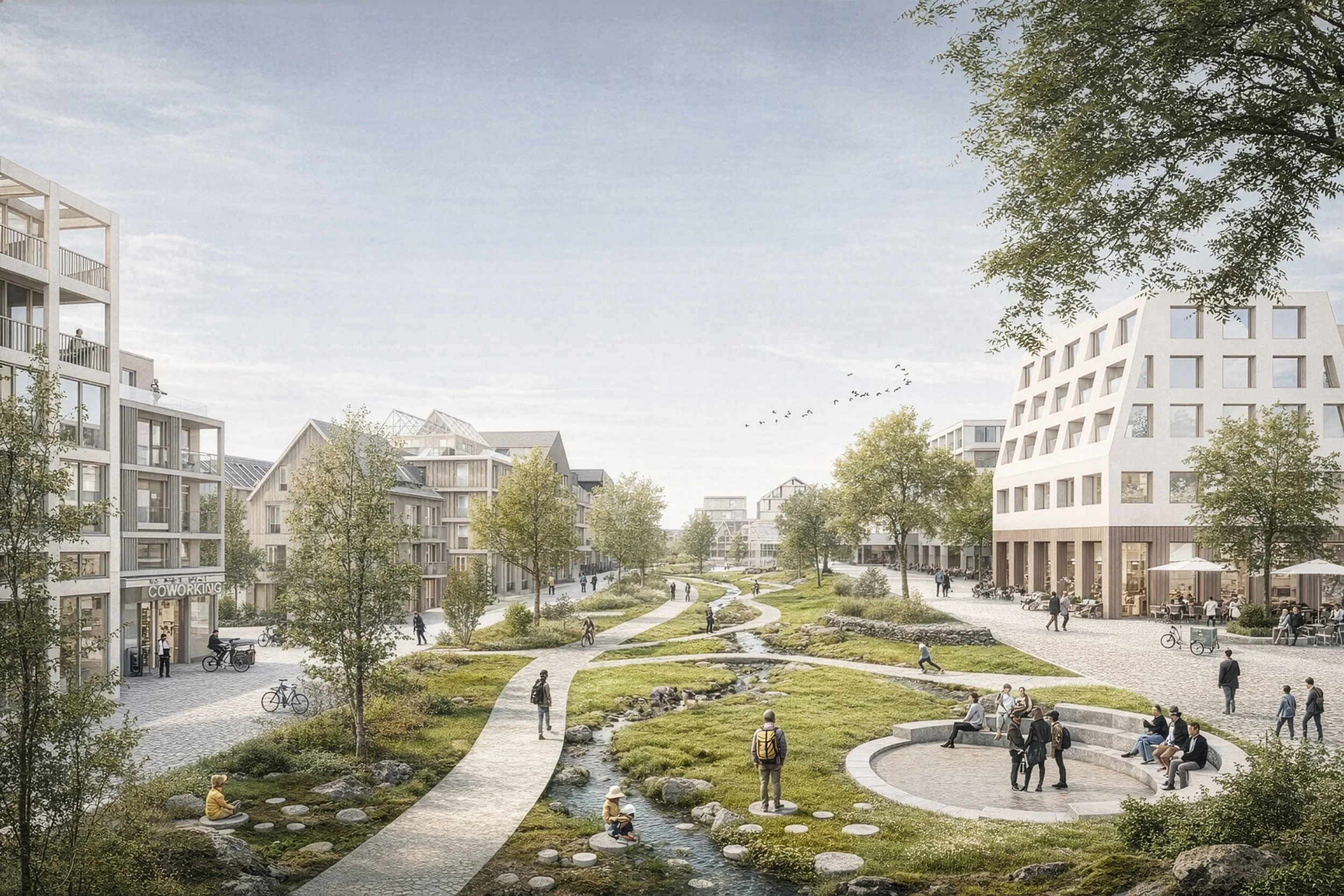
The transformation around Keldur Park in Reykjavik demonstrates how landscape can structure future neighborhoods. The project establishes a stronger spatial framework that brings urban life and landscape together. New connections, clearer hierarchies, and green interventions redefine how the area is experienced resulting in a more open, active, and socially welcoming environment.
This landscape‑driven approach supports everyday movement and meetings, strengthens ecological links, and provides a coherent identity for an area previously characterized by loose and undefined spaces. Through adaptive strategies rooted in context, the transformation prepares the neighborhood for long‑term growth, resilience, and more inclusive urban life.
Climate adaptation
We use nature‑based solutions to manage water, heat, and resilience, designing landscapes that function beautifully every day and in extreme weather conditions.
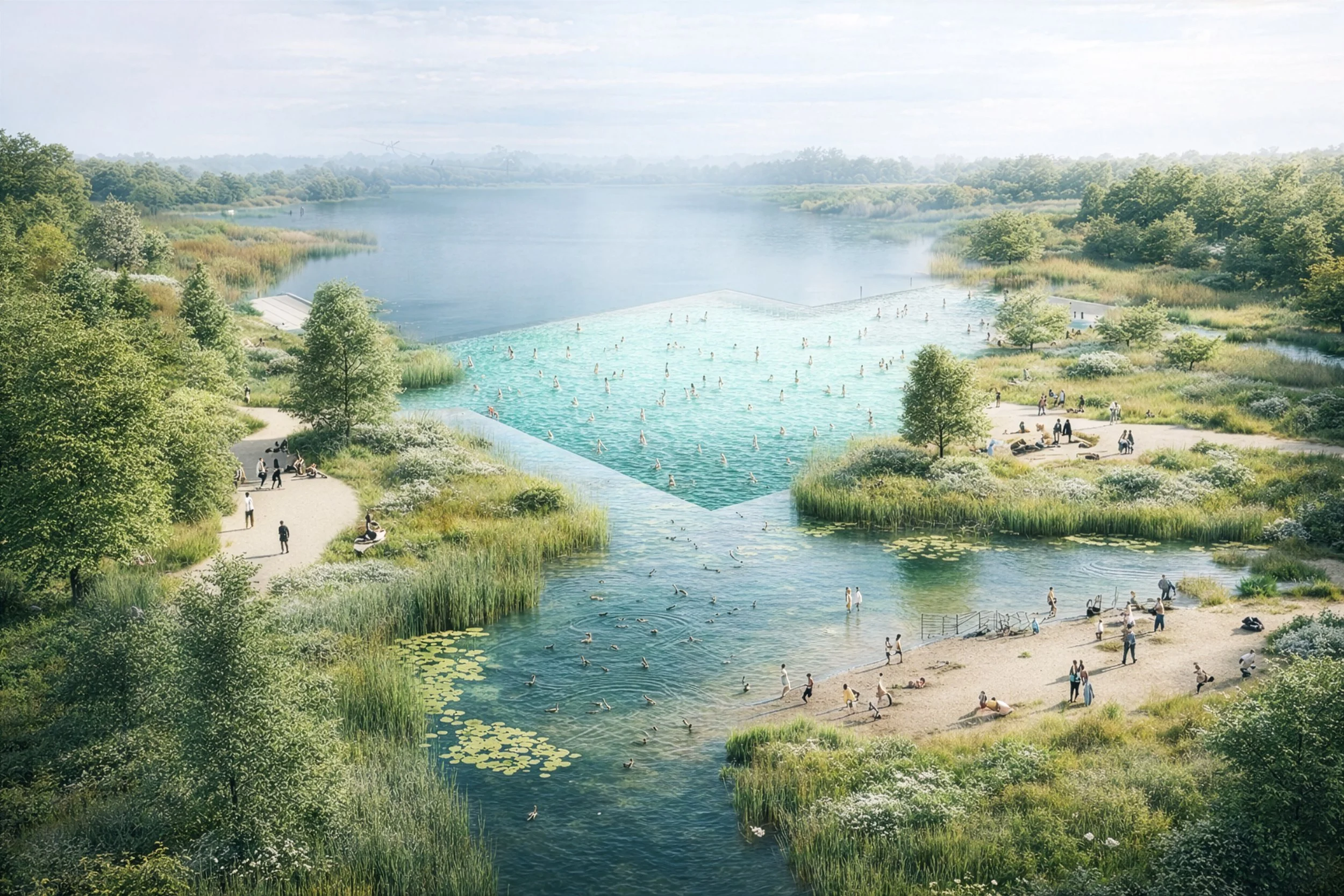
Our awarded Fingerplan 2.0 plan for Greater Copenhagen uses the landscape as driver for regional transformation and climate adaptation. We strengthen green and blue corridors, establish regional landscape parks, and shape settlements around climate‑robust and nature‑based systems.
By using large‑scale hydrology, geology, and ecological patterns as design tools, our approach supports both flood management and long‑term spatial quality. This includes preparing coastal zones for sea‑level rise through wider buffer landscapes and transforming infrastructure areas into climate‑resilient, green urban corridors.
The result is a landscape‑first framework that supports biodiversity, social balance, and a future‑proof metropolitan structure.
Education & Healthcare
We create active learning and healing environments that foster belonging, curiosity, and resourcing for people of all ages and needs.
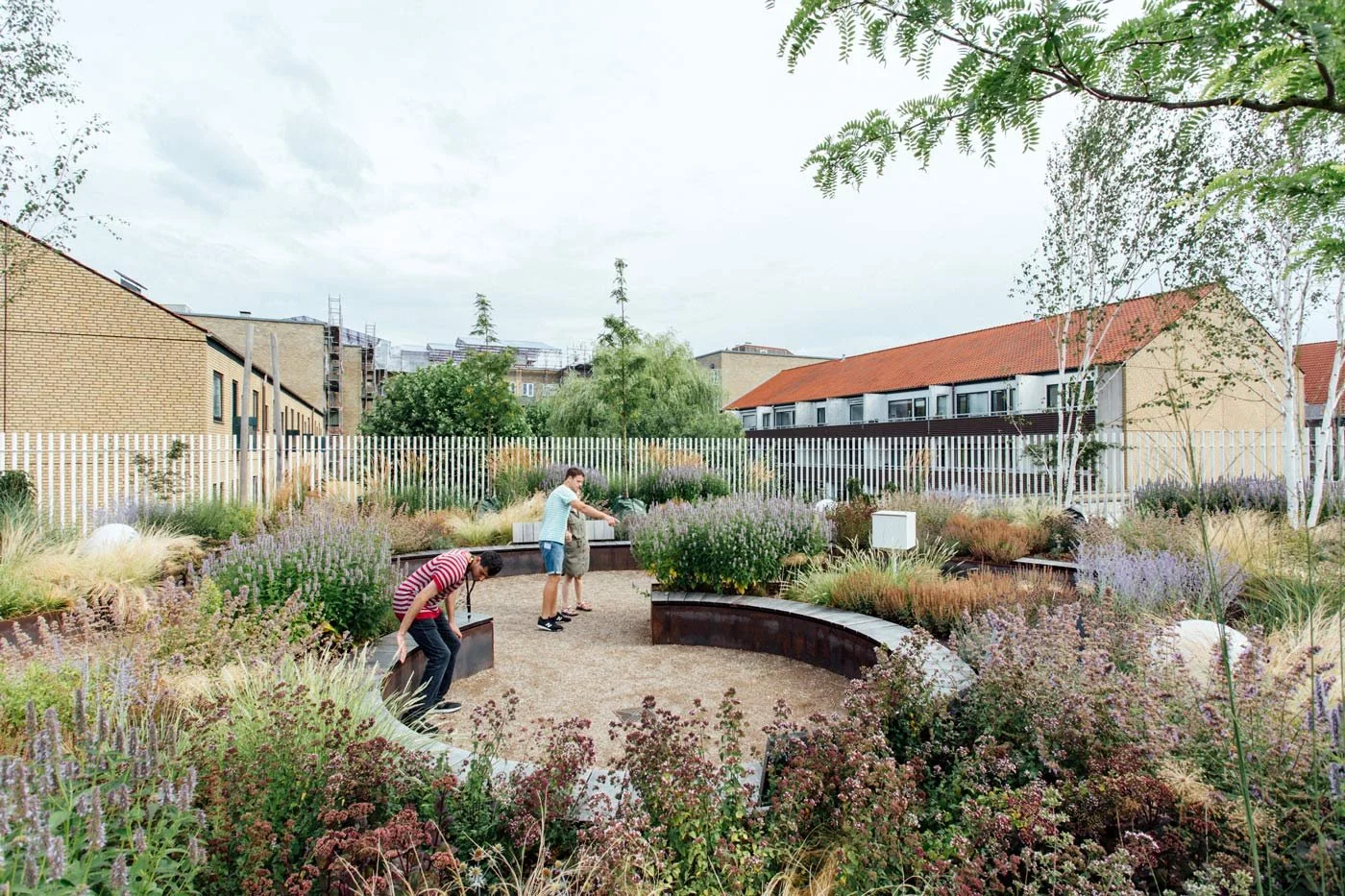
Magneten Sensory Garden illustrates how landscape can support learning, care, and well‑being through a carefully choreographed spatial experience.
By translating therapeutic and pedagogical needs into a nuanced landscape, the design creates a sequence of outdoor rooms that stimulate senses, foster independence, and offer calm, secure environments for users with special needs.
The landscape becomes an active partner in education and healthcare — using planting, textures, movement, and atmosphere to encourage exploration, strengthen motor skills, and provide restorative spaces for everyday routines. Our approach shows how nature‑based design can enhance specialised care environments while creating inclusive, meaningful places that support individuals and communities.
We work across all scales of landscape architecture — from strategic planning to detailed design.
Our projects balance practicality with atmosphere, responding to ecological challenges while creating meaningful, everyday experiences. We collaborate openly with clients, partners, and future users, ensuring each landscape becomes a long‑lasting and adaptable part of the city.
Founded in 2009, MASU Planning has grown into an international team based in Copenhagen and Helsinki. Across all our work, we remain committed to crafting thoughtful, durable, and inclusive landscapes.